Updated monthly
The best Nintendo RPGs right now
Fifteen games across Switch and Switch 2, ranked by how well they use hardware only Nintendo ships — from open-world scale to turn-based tactics you can play in handheld mode on a train.
A ranking is only worth reading if it argues. So each entry below says what the game does that the others don't, where it breaks, and who it is actually for — and every position is defended in a sentence you can disagree with.
How we rank
Every placement is weighed against public critical consensus, technical analysis and player reception rather than a single in-house playthrough. We weigh three things: how much the game reacts to the player, how well its systems have held up since launch, and how it plays today rather than at launch. Ports and revisions are judged as the version you can buy now.
It tops the list because it's the fullest expression of what Monolith Soft's been building since the first Xenoblade: a genuinely massive, seamless world, a class system deep enough to reward specialization without punishing experimentation, and a cast whose central relationships carry a hundred-hour story without sagging.
Metacritic settled at 90, among the highest scores any Switch-exclusive RPG has posted — critics were near-unanimous on the combat and writing, with the map occasionally judged a shade less visually striking than Xenoblade 2's.
Why it's here
- Interlinking Ouroboros combat that rewards party synergy
- A world scaled for exploration, not just backdrop
- A cast the story trusts with real stakes
Best for
Anyone who wants a Nintendo RPG with real scale.
Monolith Soft's most complete game, full stop.
Three routes through the same war, told from three different sides, turned Fire Emblem's tactics grid into something closer to a character drama — teaching, recruiting and losing students you've spent forty hours with changes how a battle map feels to play.
It was the highest-rated Switch exclusive at the time of its 2019 release (Metacritic 89), and remains the series' most-cited entry for good reason; the monastery/academy pacing between battles is the one thing that occasionally tests patience.
Why it's here
- Three campaigns that meaningfully reframe the same war
- Permadeath tactics with real narrative weight
- A cast large enough to support genuine replay variety
Best for
Players who want their tactics game to also be a character drama.
The point where Fire Emblem stopped being just a tactics series.
The Switch S-edition adds a toggleable 16-bit-styled 2D mode and a live orchestral score on top of an already excellent classic-JRPG structure, and critics repeatedly cite it as the best single entry to hand someone who's never played a Dragon Quest game.
It scored 89 on Metacritic's Switch aggregate (higher on other platforms), with the additions treated as the definitive draw over the already-solid base combat.
Why it's here
- A toggleable 2D mode that changes the whole feel of the game
- A live orchestral score recorded specifically for this edition
- Combat that stays legible across a 60-hour campaign
Best for
Newcomers who want the classic Dragon Quest structure done right.
The version of XI you should actually be playing.
The remake is widely treated as the best Paper Mario remake Nintendo has produced — a faithful rebuild of the GameCube original's turn-based, stage-play-themed combat and writing rather than a reinterpretation, with visual and quality-of-life updates that don't touch what made the original work.
Metacritic named it the best Switch exclusive of 2024 at 88; the only real criticism circulating is that it added relatively little beyond the visual overhaul for players who'd already finished the GameCube version.
Why it's here
- Combat built around audience participation and stage hazards
- Writing that's still funnier than most of the genre
- A remake that resists the urge to over-modernize
Best for
Anyone who missed it the first time, or wants to see why people still talk about it.
Proof a remake can be reverent without being lazy.
Titans-as-continents remains one of the strangest, most memorable settings the series has built, and the scale of the campaign — sixty to a hundred hours depending on how deep you go into Blade collection — hasn't been matched by many other Switch RPGs since.
It settled around 83 on Metacritic; the opening hours' tutorial density and the gacha-adjacent Blade summoning system are the most consistently cited criticisms, both of which ease once the core systems click.
Why it's here
- Titans as walkable, living continents
- A Blade roster deep enough to support wildly different builds
- Combat that rewards full-party positioning over solo optimization
Best for
Players willing to push through a rough opening for one of the series' biggest worlds.
The most Xenoblade thing Xenoblade has ever done.
Eight playable characters, each with their own fully-realized story and job class, share one world without their plots meaningfully intersecting until late — which was the first game's most common criticism, and one the sequel only partially addresses, though the HD-2D presentation and Break/Boost combat are both sharper.
It scored 84 on Switch and 86 on PS5; reviewers were consistent that the individual stories are stronger this time even where the connective tissue between them remains thin.
Why it's here
- HD-2D art direction at its most refined
- Eight fully separate classes and stories in one package
- Break/Boost combat with real tactical depth
Best for
Players who want eight short JRPGs' worth of story in one game.
Same trick as the original, sharper in every direction.
Seven largely unconnected short stories — spanning a prehistoric hunt, feudal Japan, the wild west and a sci-fi horror chapter among others — converge into one campaign, and the anthology structure means no single chapter overstays its welcome.
Critics called the remake brilliantly faithful to the SNES original at 83 on Metacritic, with the HD-2D presentation singled out as some of the best use of the style in any Square Enix remake to date.
Why it's here
- Seven genuinely distinct short stories in different genres
- HD-2D presentation among the best executions of the style
- A structure built to reward finishing all seven chapters
Best for
Players who want a JRPG that doesn't ask for a hundred-hour commitment.
A cult classic that finally has the audience it always deserved.
The Scales of Conviction system puts major story decisions to an in-fiction vote among your commanders, and the branches that follow meaningfully reshape both the map and the tactics you'll need — a rare case of a tactics game's narrative choices carrying real mechanical weight.
It scored 83 on Metacritic; the slower opening chapters, before the branching structure fully kicks in, are the most common point of criticism.
Why it's here
- Story choices that meaningfully branch the campaign
- Tactics battles built around terrain and unit synergy
- HD-2D presentation shared with Octopath Traveler
Best for
Tactics fans who want their choices to matter as much as their unit positioning.
The rare tactics RPG where the politics are as sharp as the combat.
Replacing route-based exploration with open, huntable regions and a research-log progression structure was a genuine risk for a decades-old formula, and it mostly paid off — catching became a spatial, stealth-inflected activity rather than a random-encounter interruption.
It scored 86 on Metacritic, with the technical presentation — pop-in, frame rate, texture work — the most consistently cited weak point against an otherwise well-received structural overhaul.
Why it's here
- Open regions built for stealth-based catching
- A research-log structure that rewards experimentation
- The template Legends: Z-A builds on
Best for
Players who want the series' biggest formula change before trying Z-A.
Rough around the edges, and still the series' boldest swing pre-Z-A.
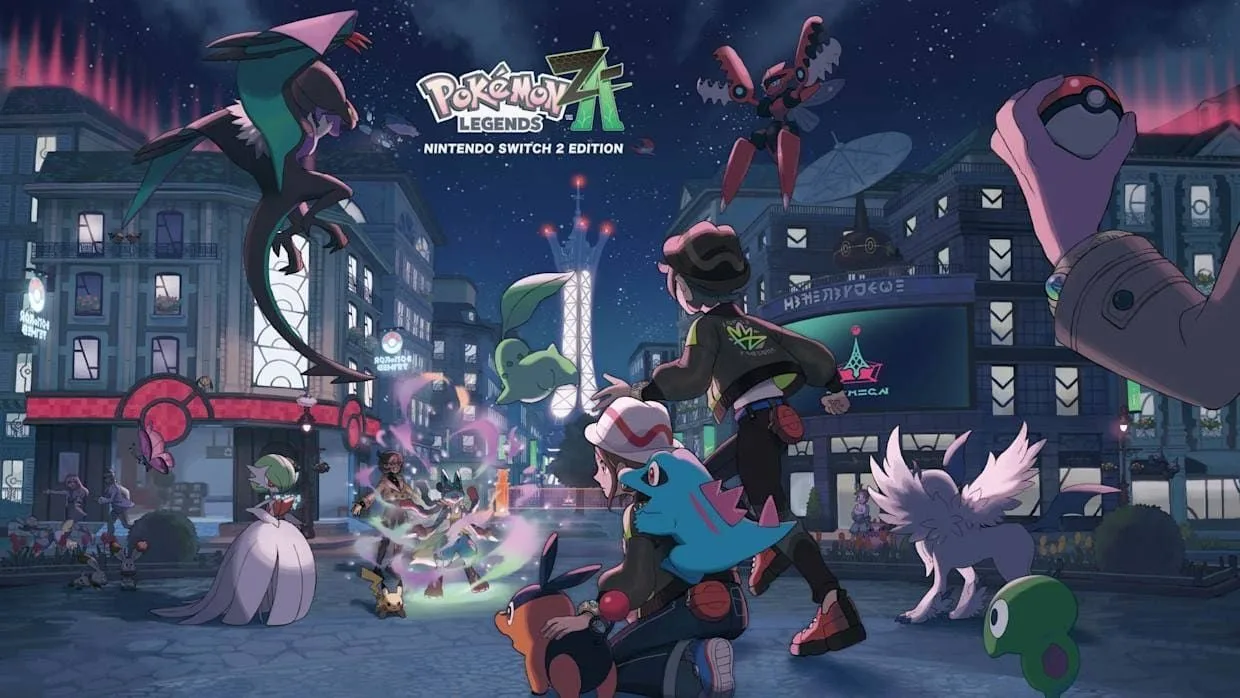
Trading regional routes for one densely rebuilt Lumiose City, and turn-based battles for real-time positioning, is the most structurally different mainline Pokémon game in years — closer in spirit to Legends: Arceus's risk-taking than to the mainline Scarlet/Violet games.
It landed at 81 on Metacritic, the series' second-best Switch-era score behind only Legends: Arceus, with reviewers split between calling it the boldest recent Pokémon game and wanting more from the story to match the structural ambition.
Why it's here
- Real-time battles that reward positioning over menu selection
- A single city that visibly changes as the story progresses
- The Z-A Royale tournament structure
Best for
Lapsed Pokémon players who want the formula genuinely shaken up.
The second-best-reviewed Pokémon game of the Switch era, and the most different.
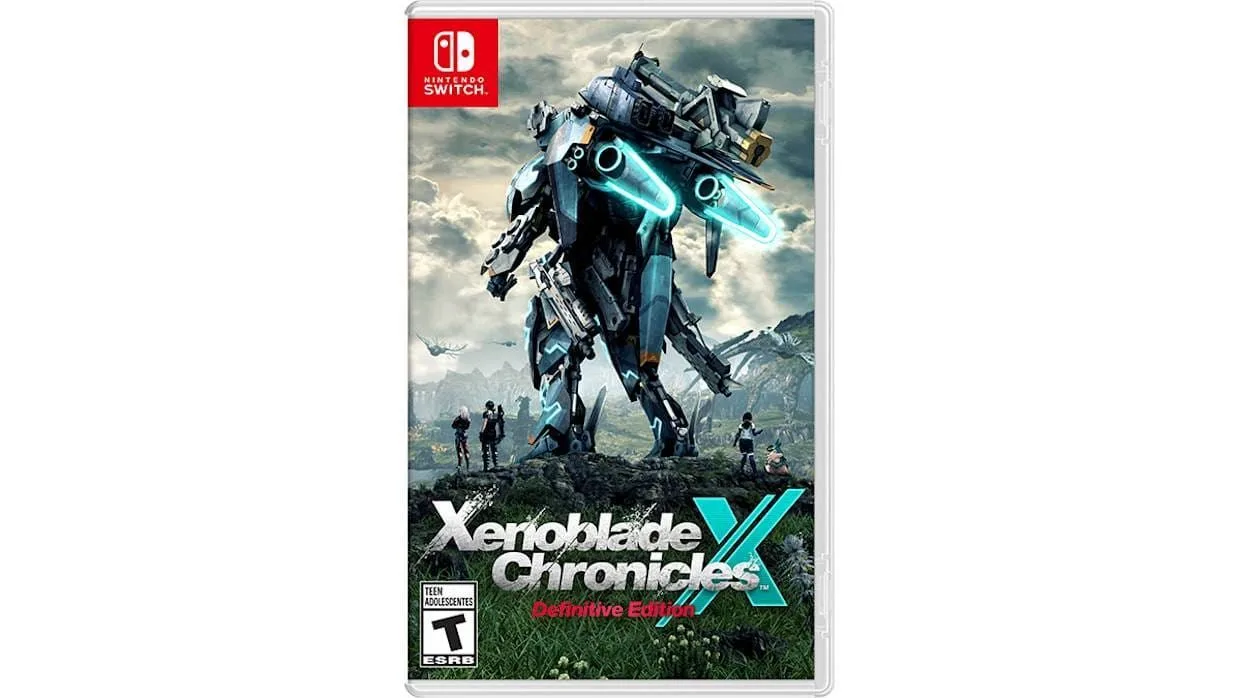
No other game on this list makes a planet feel this large and this walkable. Unlocking a Skell — and later its flight module — turns the map inside out twice, and this Definitive Edition removes the loading seams that broke the illusion on Wii U.
It sits mid-table mainly on story presentation, which is thinner than Monolith's later Xenoblade entries; a Switch 2 enhanced version followed in early 2026 with a 4K/60fps target.
Why it's here
- Traversal that transforms the map twice over
- A planet with no loading between regions
- A new epilogue chapter added for this release
Best for
Explorers who care more about place than plot.
The best open world Monolith Soft has ever built, finally intact.
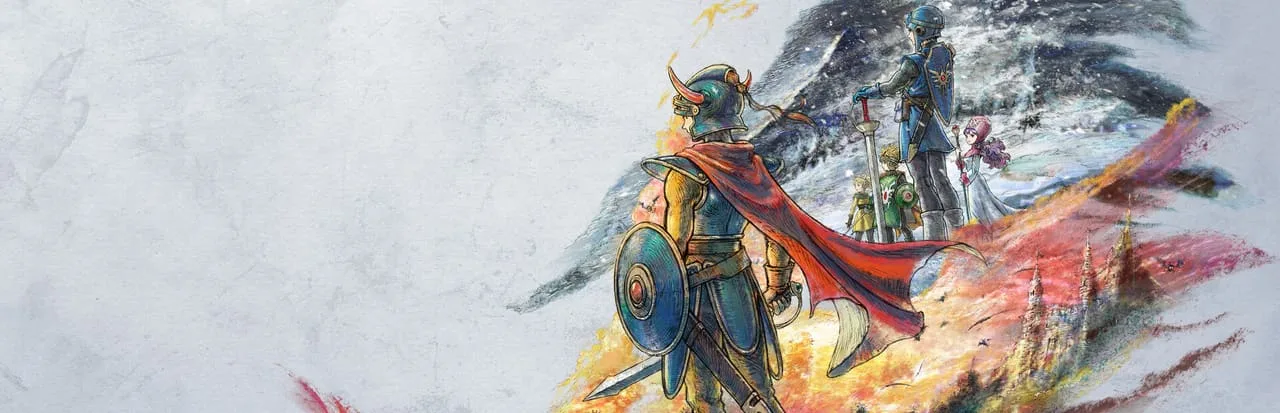
Proof that clean, forty-year-old design ages better than scale — these are small, tightly looped games, and the HD-2D treatment gives them a visual weight that makes their simplicity read as elegance rather than dated design.
It scored 84 on Metacritic; the pacing shows its age partway through the second game, though quality-of-life adjustments soften it more than the original releases offered.
Why it's here
- The cleanest entry point into classic JRPG design on Switch
- HD-2D lighting that flatters every town
- Two full games bundled together, with a third available separately
Best for
Newcomers and anyone short on time.
Old bones, and they still hold the weight.
Picking up the Mario & Luigi banner after original developer AlphaDream's 2019 closure was always going to invite comparison, and Brothership largely holds up its end — the timing-based co-op abilities and writing are consistent with the series' best entries.
It scored 80 on Metacritic; padding and backtracking across the archipelago structure are the most common specific criticisms against an otherwise well-received revival.
Why it's here
- Timing-based co-op combat the series is known for
- Writing that recaptures the original team's humor
- An archipelago structure with real exploration variety
Best for
Series fans who worried the format wouldn't survive AlphaDream's closure.
Solid, funny, occasionally padded — and very much still Mario & Luigi.
The Emblem Ring system — summoning past Fire Emblem protagonists mid-battle for temporary class-defining bonuses — is one of the tactically deepest systems the series has shipped, rewarding precise timing and positioning more than most prior entries.
It scored around 80 on Metacritic; the story and character writing were broadly seen as a deliberate step back toward a simpler tone after Three Houses, which divided longtime fans even as the gameplay itself was well received.
Why it's here
- Emblem Rings that summon past protagonists for combat bonuses
- Some of the series' tightest map design
- Fast, replayable maps built for tactics-first players
Best for
Players who want Fire Emblem's tactics at their sharpest, story second.
The gameplay peak the story doesn't quite match.
The Brave/Default turn-banking system remains a genuinely clever spin on classic turn order, letting you gamble future turns for a burst of actions now or bank them defensively — and the job system underneath it is deep enough to support real build variety.
It scored 76 on Metacritic and closes this list because it plays it safer than Octopath Traveler or Three Houses did around the same period; solid rather than essential is the fairest read.
Why it's here
- Brave/Default turn-banking that rewards risk management
- A deep, freely-reassignable job system
- HD-2D-adjacent presentation with a distinct art style
Best for
Classic-JRPG fans who want depth without narrative ambition.
A well-made job system in search of a story to match it.