Updated monthly
The 25 best RPGs to play right now
Ranked by our editors across every platform in print, from tactics grids to twenty-person tables. Re-argued the first Monday of every month.
A ranking is only worth reading if it argues. So each entry below says what the game does that the others don't, where it breaks, and who it is actually for — and every position is defended in a sentence you can disagree with.
How we rank
Every placement is weighed against public critical consensus, technical analysis and player reception rather than a single in-house playthrough. We weigh three things: how much the game reacts to the player, how well its systems have held up since launch, and how it plays today rather than at launch. Ports and revisions are judged as the version you can buy now.
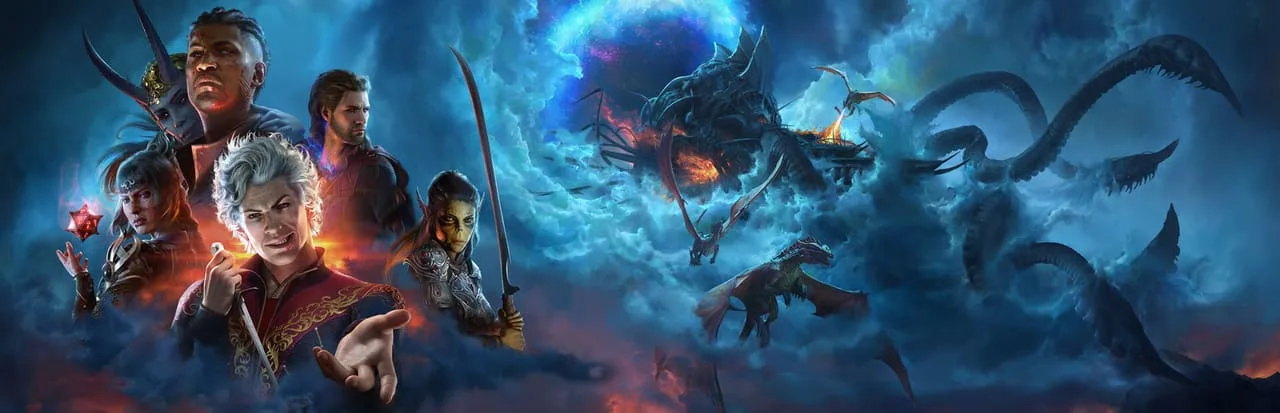
It holds the top spot because it is the RPG on this list that treats almost every plan a player invents as a legitimate plan. Kill a quest giver in act one and the quest reroutes rather than breaking; turn yourself into a chicken to cross a bridge and the game lets the chicken carry the plot. That flexibility is why a second playthrough looks nothing like the first.
The writing carries the rest — companions with full arcs, voice work that rarely dips, and turn-based combat deep enough to keep surprising a party at level ten. Its performance on older machines during act three has been a recurring criticism, and Larian has continued patching it well past launch.
Why it's here
- Reactive scripting that survives almost any player decision
- Companion arcs written to be failed as well as finished
- Turn-based combat that stays legible at high level
Best for
Anyone who wants their choices to actually land.
The RPG every other 2023–2025 release got compared to, for a reason.
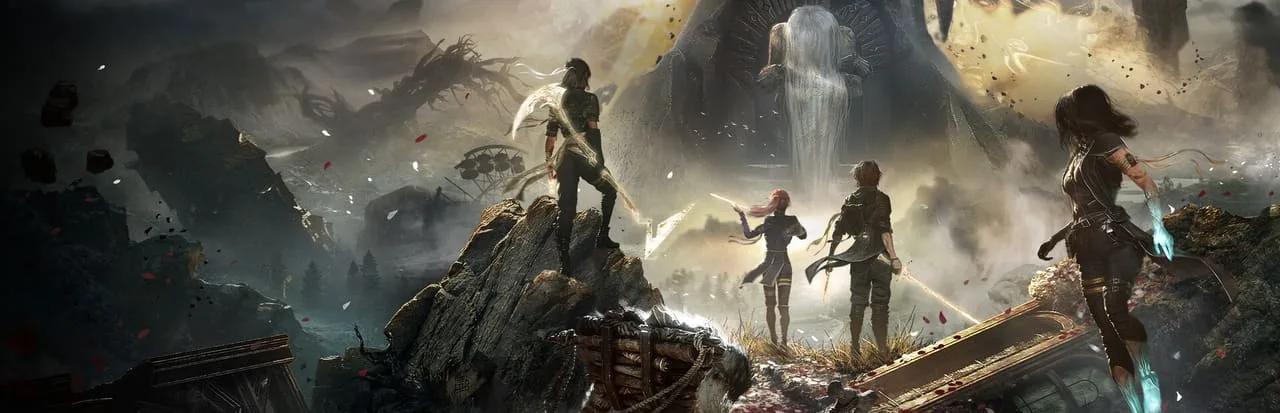
Second because it solves a problem the genre has argued about for a decade — how to keep turn-based combat tense — by layering real-time dodges and parries onto a classic turn order. It never stops feeling like a decision-making game even as it demands reflexes.
The painted Belle Époque world and Lorien Testard's score do as much work as the combat. It sits behind Baldur's Gate 3 mainly on scope: the open-world exploration between fights is comparatively thin, and a late structural swing has split opinion since launch.
Why it's here
- Real-time dodge and parry layered onto turn-based structure
- A painted visual style unlike anything else in the genre
- A script willing to commit to a real ending
Best for
Turn-based fans who want the genre to still feel dangerous.
The best debut game the genre has had in years.
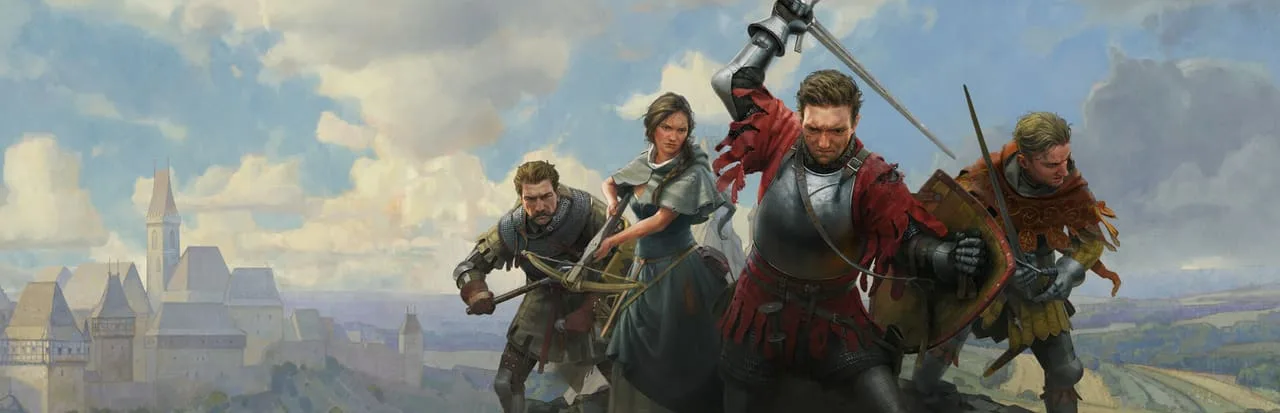
Third for treating 15th-century Bohemia as a simulation rather than a backdrop: real trade routes, real illness and reputation systems, quests with more than one honest solution. Few open-world RPGs attempt this much systemic depth at once.
It ranks below the turn-based leaders mainly on approachability — the early combat is genuinely brutal before Henry's gear catches up, and the lock-on system has been a consistent point of criticism. Push past the opening hours and it's argued by many critics to be one of the best RPGs of the decade.
Why it's here
- Historical open world with real economic and social systems
- Combat with real weight once its timing clicks
- A script that treats its setting as more than scenery
Best for
Players who want a world that runs on rules, not scripting.
Brutal for the first ten hours, and then the whole game clicks.

Atlus took the Persona calendar structure and pointed it at something with visible stakes: a national election a candidate can lose. Every day spent reading, cooking or talking is a day not spent campaigning, and the 2024 Game Awards agreed — Best RPG, Best Narrative and Best Art Direction.
The Archetype job system is one of the best in the genre, and field battles against weaker enemies skip the menu entirely. It ranks here rather than higher mainly on pacing — the mid-game calendar compresses hard around a run of story and travel beats.
Why it's here
- An election clock that gives the calendar real stakes
- Archetypes: an inheritance-based job system with real depth
- Field battles that skip the menu against weaker enemies
Best for
Persona players who wanted the politics taken seriously.
2024's biggest RPG awards haul, and it earns essentially all of it.
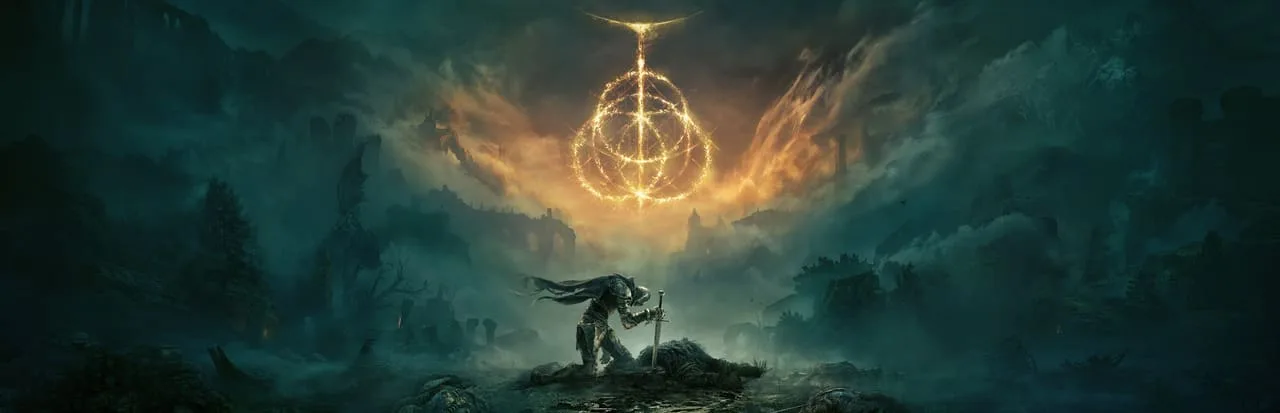
It earns its place on curiosity alone: no quest markers, no checklist, and almost every direction rewards exploration within minutes. The Shadow of the Erdtree expansion added an entire second region built to the same standard.
Four years on, its late-game boss design still divides critics and players — several encounters are commonly cited as testing input-reading over pure skill — which is the main thing keeping it from the very top.
Why it's here
- Exploration rewarded without a single marker
- Shadow of the Erdtree's Land of Shadow, top to bottom
- Build variety that survives repeated playthroughs
Best for
Players who want to be lost on purpose.
Still the open-world benchmark, DLC included.
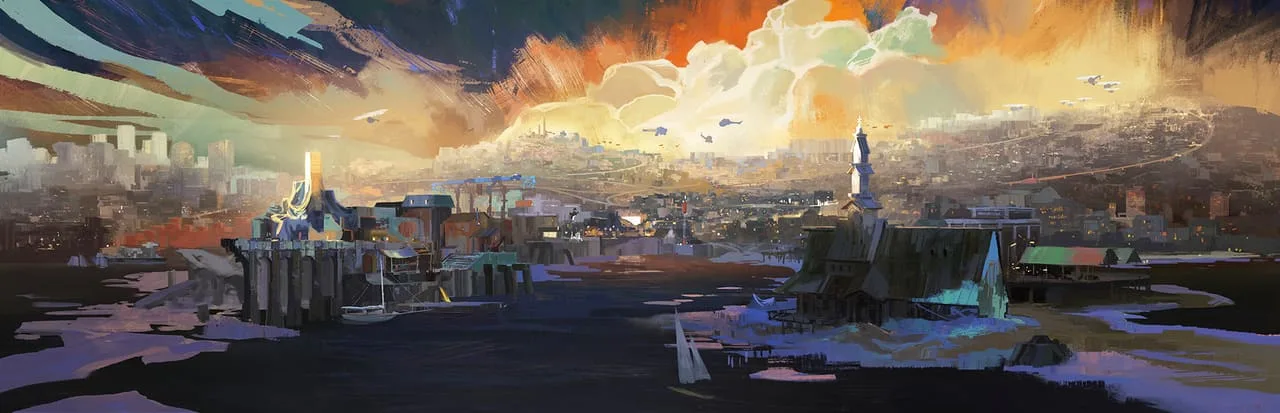
The most ambitious writing the genre has produced, and the only RPG on this list where your own skills talk back mid-conversation. Failure is content: a botched check regularly opens a better scene than a passed one.
It ranks sixth mainly because it asks for a specific appetite — there's no combat in the traditional sense, and the reading load is substantial by design.
Why it's here
- Skills as characters that argue with you
- Failure states more interesting than success
- Fully voiced in the Final Cut edition
Best for
Readers. It's a novel you can lose.
Still the highest ceiling for writing in the genre.
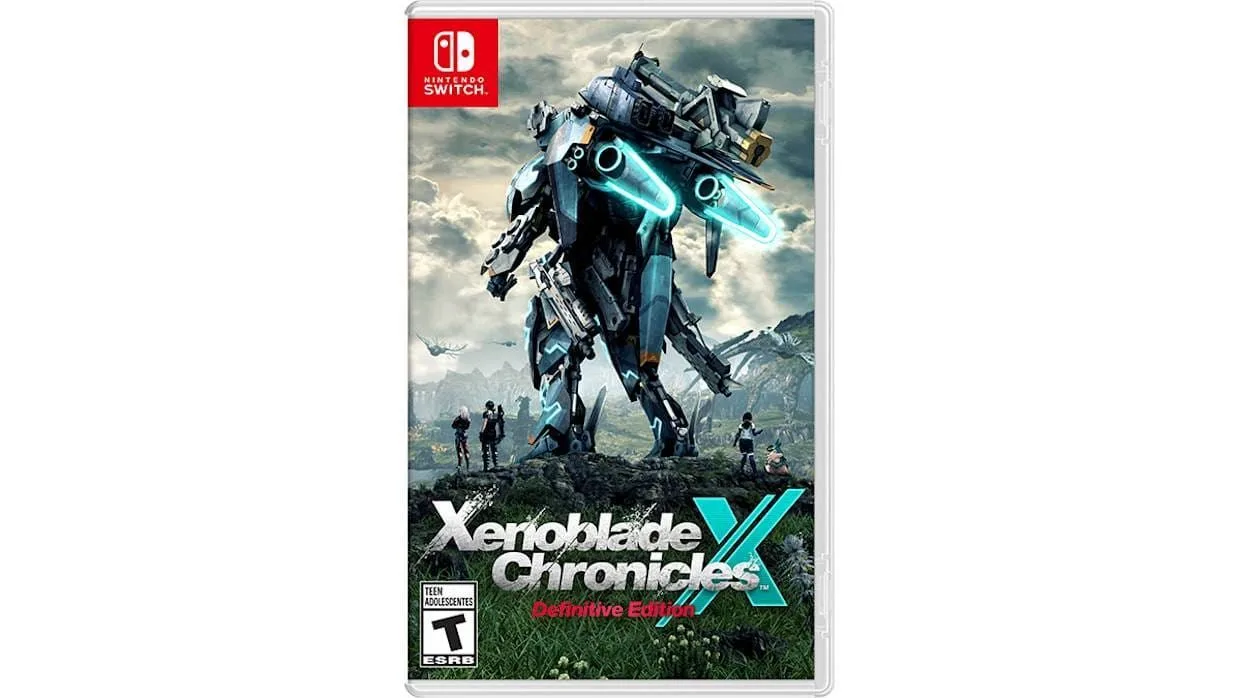
No other game makes a planet feel this large and this walkable. Unlocking a Skell — and later its flight module — turns the map inside out twice, and this Definitive Edition removes the loading seams that broke the illusion on Wii U.
It stops here mainly on story presentation, which is thinner than Monolith's later work. A Switch 2 enhanced version followed in early 2026.
Why it's here
- Traversal that transforms the map twice over
- A planet with no loading between regions
- A new epilogue chapter added for this release
Best for
Explorers who care more about place than plot.
The best open world Monolith Soft has built, minus the load screens.
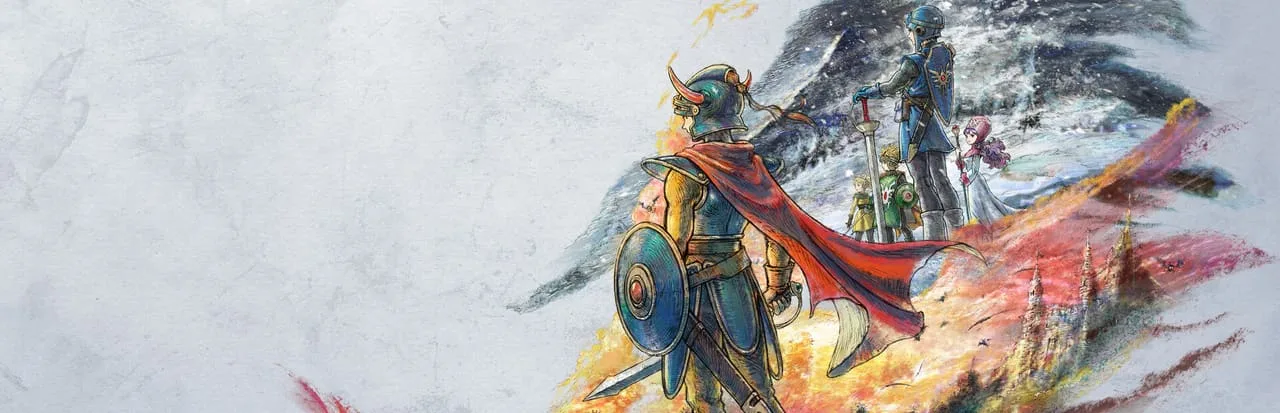
Proof that clean design ages better than scale. These are small, tightly looped games, and the HD-2D treatment gives forty-year-old sprite work a lighting rig it never had.
The pacing shows its age partway through the second game, and quality-of-life options don't go quite as far as more modern remakes. A strong starting point for players new to the genre.
Why it's here
- The cleanest entry point into classic JRPG design
- HD-2D lighting that flatters every town
- Two full games bundled together
Best for
Newcomers and anyone short on time.
Old bones, and they still hold the weight.
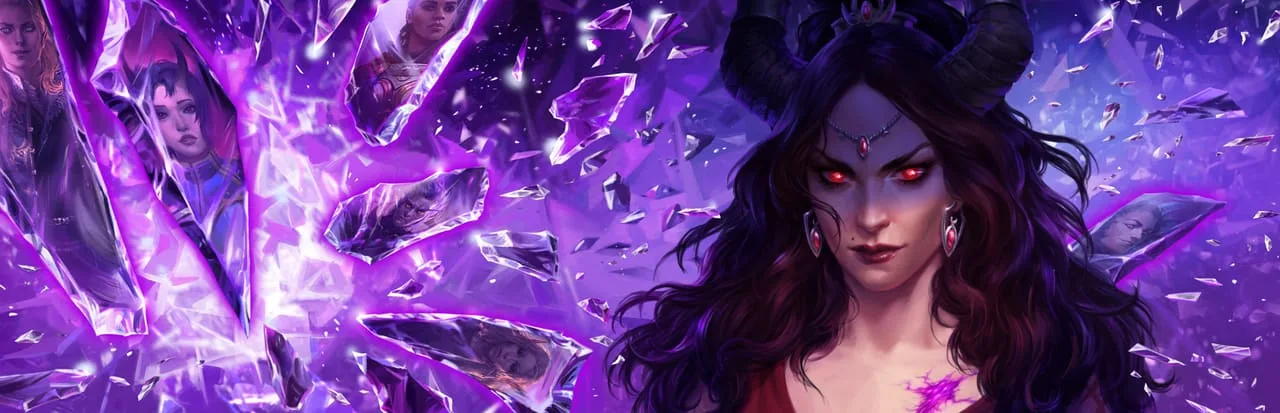
Nothing else lets a player build a character this precisely — dozens of classes, mythic paths that rewrite the campaign around a chosen power, and encounter design that respects the effort.
It sits at nine because the on-ramp is genuinely difficult and the crusade-management layer never fully earns its screen time. Push past the early hours and the payoff is real.
Why it's here
- Mythic paths that meaningfully change the story
- Class depth few CRPGs match
- Both turn-based and real-time-with-pause supported
Best for
Build tinkerers with a spreadsheet already open.
The genre's deepest system, behind its steepest door.
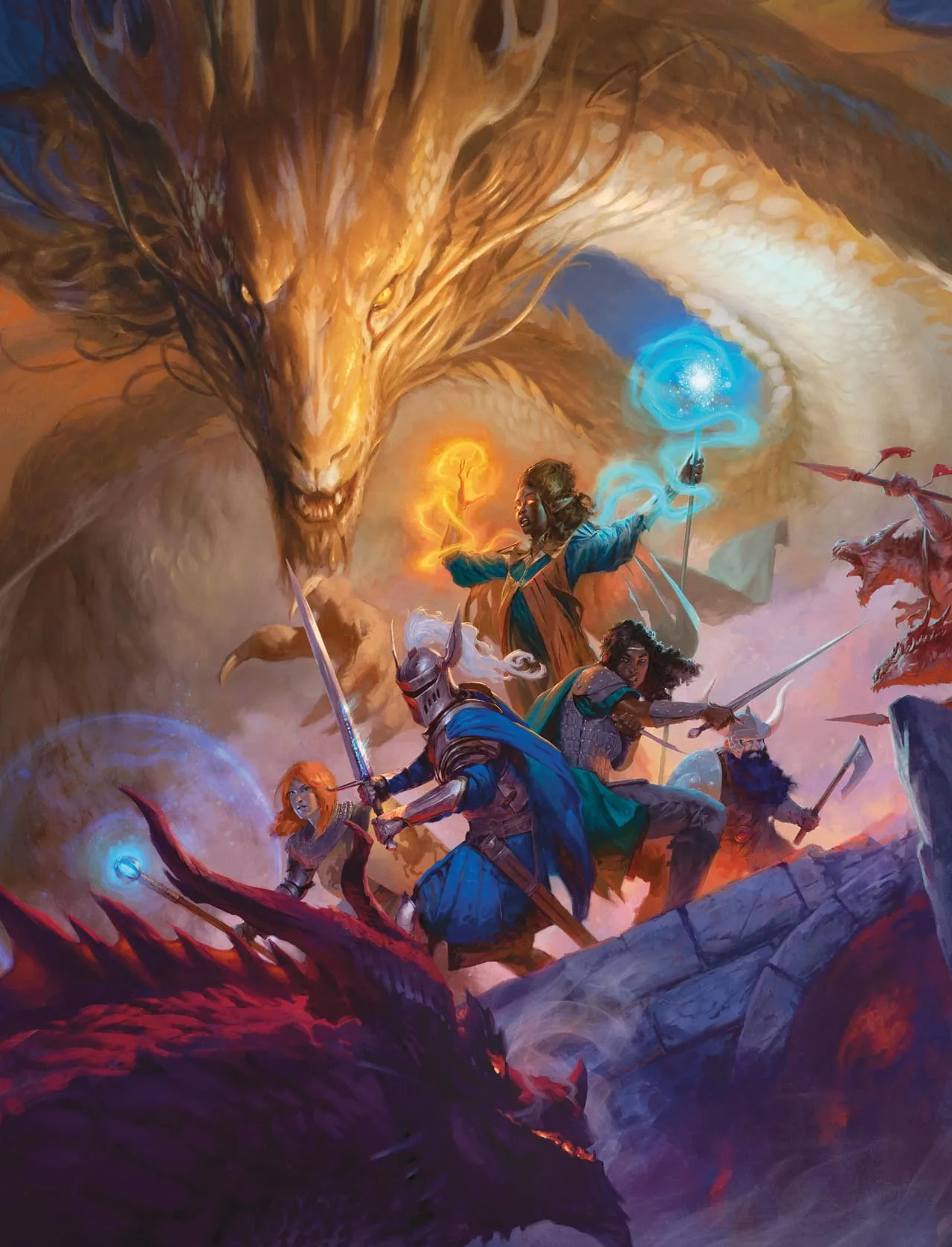
The revision does the unglamorous work well: clearer spell text, better low-level survivability, and weapon options that give martial classes real choices each turn. Wizards deliberately avoided calling it a new edition, aiming instead for compatibility with a decade of 5th-edition material.
It closes the list because it's a refinement rather than a new idea — but it's the version tables now reach for first, with far fewer caveats than past revisions needed.
Why it's here
- Backwards compatible with a decade of 5th-edition adventures
- Martial classes with real turn-by-turn decisions
- The clearest rules text the edition has had
Best for
New tables and DMs tired of chasing errata.
A quiet revision that fixes more than it changes.